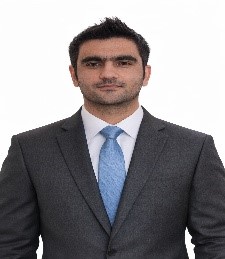
Advisory Board Member
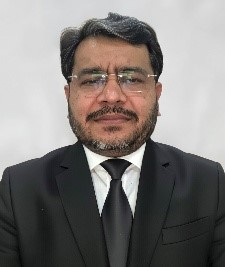
Abdul Rehman is an impact-driven humanitarian leader with over 20 years of experience managing large-scale humanitarian and development programs across Pakistan, Yemen, Liberia, and Washington, D.C.
He brings proven expertise in strategic planning, program design, budgeting, implementation, monitoring and evaluation, and financial oversight of complex emergency, recovery, and resilience initiatives.
His technical focus includes nutrition-specific and nutrition-sensitive programming such as CMAM, IYCF, and integration of nutrition into primary health care to address stunting and wasting.
Abdul Rehman has led multisectoral coordination efforts, donor engagement, and USAID/BHA-compliant award management, serving since 2013 as an Agreement Officer’s Representative overseeing USG-funded projects.
At RISE, he contributes strategic leadership to advance resilient, self-reliant communities through integrated food security, nutrition, WASH, emergency response, and development initiatives.
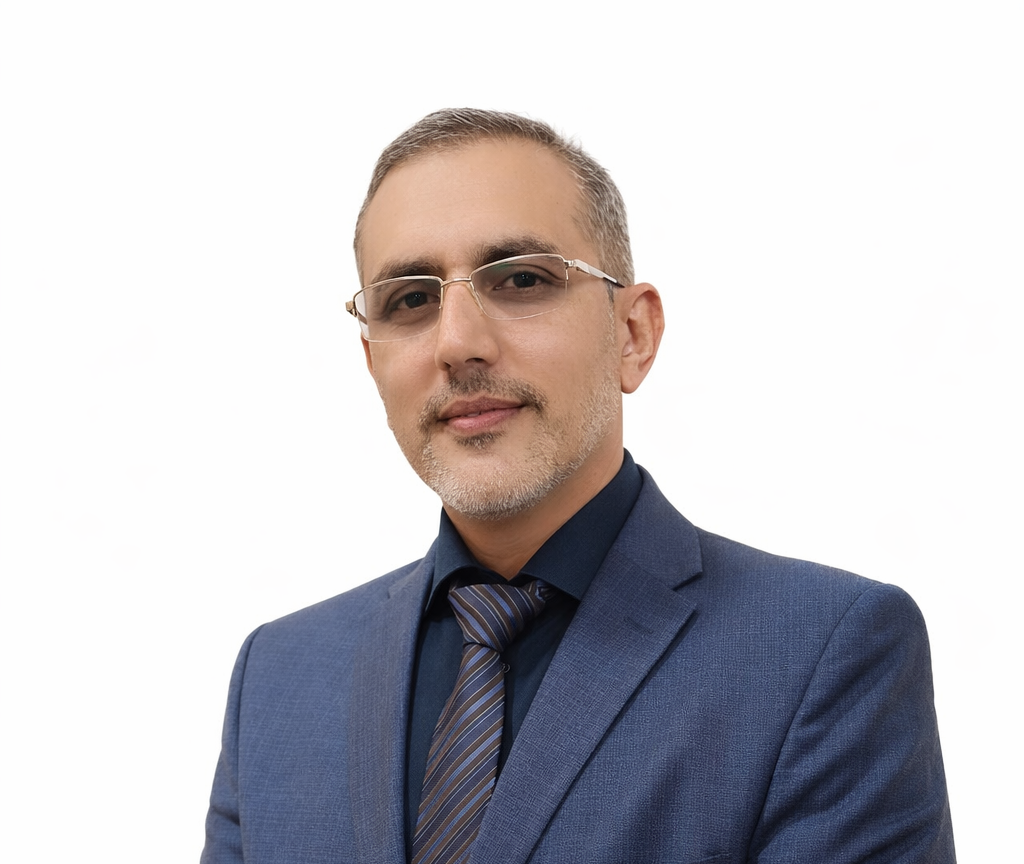
Advisory Board Member
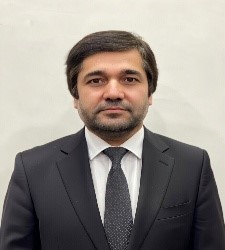
Dr. Mazhar Alam is a Senior Health and Nutrition Advisor with over 20 years of experience delivering high-impact health and nutrition programs across Pakistan.
He has held senior programmatic and management roles with UNICEF, WFP, and leading international NGOs, including Concern Worldwide Pakistan, contributing to the design and scale-up of nutrition-sensitive interventions, emergency responses during drought and flood crises, and Community-based Management of Acute Malnutrition (CMAM).
He has a strong track record in translating public health and nutrition frameworks into effective and scalable programs through robust monitoring and evaluation systems, multi-sectoral coordination, and evidence-based decision-making.
Dr. Alam has worked closely with government counterparts, UN agencies, donors, and national technical working groups, including providing leadership to the national CMAM Technical Working Group.
As an Advisory Board Member at the Resilience Initiative for Sustainable Empowerment (RISE), he provides strategic guidance to strengthen health and nutrition policies, optimize program performance, and improve maternal and child nutrition outcomes, supporting resilient and sustainable development in Pakistan’s most vulnerable regions.
Advisory Board Member
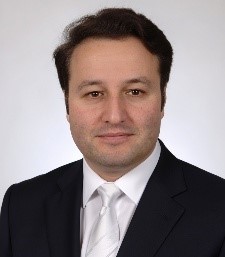
Tariq Ahmed is a senior Monitoring, Evaluation, Research, and Learning (MERL) professional with over 17 years of experience supporting high-impact development initiatives across health, nutrition, climate resilience, food systems, and community development in Asia and the Pacific.
He has served with leading organizations including IUCN, UNICEF, FAO, Save the Children, and ICIMOD, where he led the design of results frameworks, evaluations, and evidence systems to strengthen institutional performance and policy impact.
Tariq brings deep expertise in evidence-based programming, mixed-methods research, and adaptive MEAL systems that enhance effectiveness, equity, and sustainability.
He has worked closely with governments, UN agencies, donors, and civil society to scale interventions reaching vulnerable and marginalized populations, with a strong focus on systems strengthening, innovation, and community-centred approaches.
As a member of the Advisory Board, Tariq supports RISE in embedding robust learning, accountability, and partnerships across integrated health, nutrition, education, and WASH programmes.
Advisory Board Member
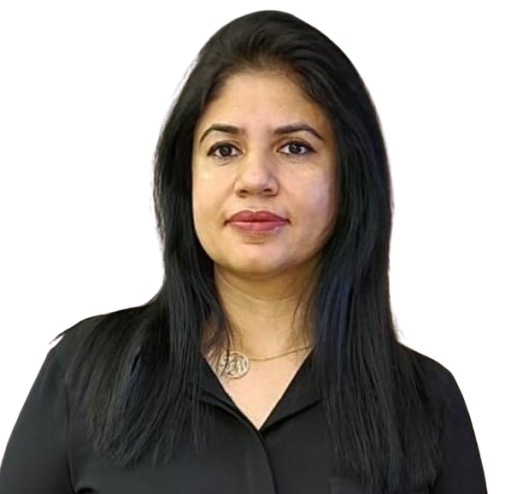
Shaista Jabeen brings over 25 years of expertise in nutrition, public health, WASH, and emergency response across Pakistan.
She holds an MSc in Health Policy & Management from Aga Khan University and an MSc/BSc in Food & Nutrition from the University of Peshawar. She is an alumna of the Australian Awards in Multisector Nutrition Interventions and has specialized training in CMAM, IYCF, gender, and early childhood development.
Her career includes senior roles with:
She has led CMAM and IYCF programs, reduced acute malnutrition in high-burden districts, conducted SMART and SQUEAC surveys, developed national and provincial M&E frameworks, and coordinated multi-sector nutrition and WASH initiatives during major emergencies, including the 2005 earthquake and 2010 floods.
At RISE, Shaista advises on evidence-based, climate-resilient strategies to combat malnutrition and strengthen community resilience in vulnerable areas of Pakistan.
Advisory Board Member
Ibrar Ali is a Chartered Accountant (CA) from the Institute of Chartered Accountants of Pakistan with specialized expertise in financial governance, audit, compliance, and anti-money laundering.
He has provided professional audit, financial analysis, tax planning, and internal control services since May 2022 as an independent consultant.
Previously, he served as Senior Manager at Habib Bank Limited, leading audits of domestic and international operations with a strong focus on compliance and AML.
At RISE, Ibrar provides strategic oversight on financial management, compliance, internal controls, and transparent governance to support sustainable and accountable operations.
Advisory Board Member
Sayed Manzoor Jan is a development and humanitarian professional with over 15 years of experience in programme coordination, community mobilization, disaster response, and capacity building across Pakistan.
He has worked with organizations including H-MAK, Shifa International Hospital Ltd, Shifa Foundation, Pakistan Red Crescent Society (PRCS), International Federation of Red Cross and Red Crescent Societies (IFRC), Seeds 4 Change, Wajeeha Thalassaemia Trust, and National Productivity Organization (NPO) in Pakistan.
He has a strong technical background in project management, administrative and operational management, design and implementation of community-based resilience building programs, disaster risk reduction and response, monitoring and reporting, institutional capacity building, youth and volunteer management, training, and coordination.
At RISE, Sayed Manzoor Jan serves as an Advisory Board Member, providing strategic guidance on operations, emergency preparedness, and effective programme delivery in vulnerable regions.